
Toronto- Blog
October 15, 2026
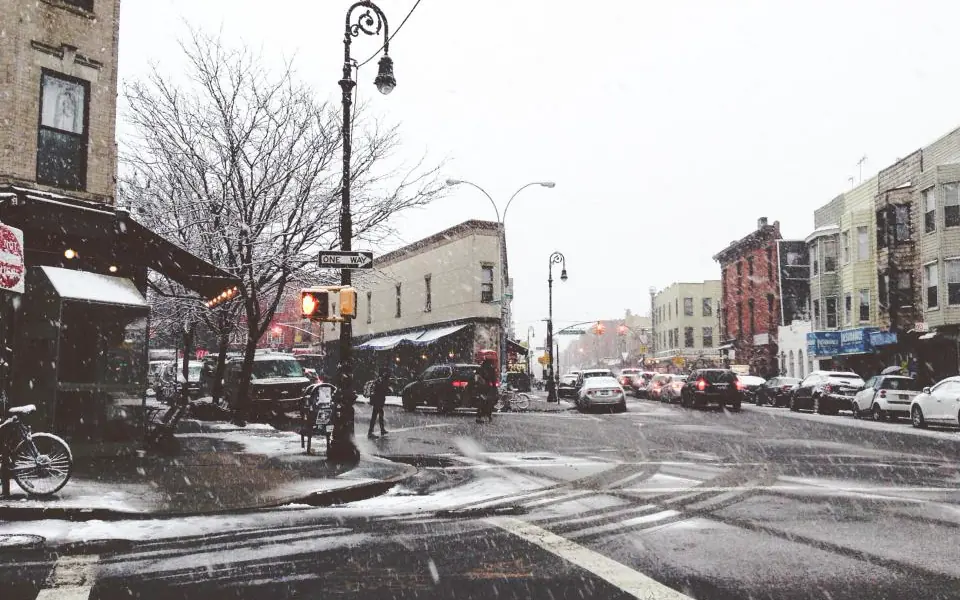
A Toronto winter runs from late November through March, with temperatures that regularly drop below minus ten and occasional stretches of ice that make ordinary walking shoes a real problem.
Toronto sits on the north shore of Lake Ontario, which moderates the climate compared to cities further from large bodies of water — but not as much as visitors from milder climates sometimes expect. The average daily low in January is around minus ten degrees Celsius, and wind chill can push the felt temperature to minus twenty or below on cold days. Snowfall is variable from year to year: some winters bring several major snowstorms, others are relatively dry and cold. Ice is the more consistent issue, particularly in the January-February freeze-thaw cycle, when temperatures cross zero repeatedly and sidewalks become slippery before the city's salting crews get to them.
The indoor infrastructure of the city — the PATH underground walkway connecting much of the financial district, the subway system, large indoor shopping centres — means that a visitor spending most of their time in central Toronto can avoid extended outdoor exposure on the coldest days. But getting to any outdoor destination involves some time outside, and the transition from a heated subway car or lobby to minus fifteen is significant enough to require proper preparation.
A genuinely warm winter coat is the single most important item for a Toronto winter trip. A mid-weight jacket that works in London or Vancouver will not be sufficient in January. The practical standard is a down or synthetic-fill coat rated to at least minus twenty, with a hood. Longer coats that cover the thighs are warmer than hip-length parkas in strong wind.
A waterproof or water-resistant outer layer matters as much as warmth on days with freezing rain or wet snow, which occur several times each winter. A coat that is warm but not waterproof will become heavy and cold when wet.
Waterproof winter boots with insulation are not optional. Leather dress shoes or trainers will become soaking wet within minutes of walking on slushy or wet-snow-covered sidewalks. Boots should have a non-slip rubber sole; smooth leather soles are extremely dangerous on icy surfaces. Ankle height is the minimum; calf-height is more practical for slush.
If you plan to wear dress shoes for a dinner or event, carrying them in a bag and changing at your destination is a common approach among Toronto residents. The walk between a hotel and a restaurant in winter footwear, changing into dress shoes at the coat check, is standard practice.
The layering principle applies more to Toronto winter than to most other cold-climate cities because the temperature differential between outdoors and indoors is so large. A heated office, restaurant or subway car is typically twenty degrees Celsius; the street outside might be minus fifteen. Wearing a single very warm layer with no ability to adjust means being too cold outside and too hot inside. A base layer, a mid-layer, and an outer shell that can be removed gives you more control.
Accessories that matter in genuine cold: a hat that covers the ears (cold ears are a distraction rather than a danger, but they are uncomfortable), a scarf that can be pulled up over the lower face in wind, and gloves that are actually warm rather than fashion gloves. Thermal socks are worth packing if you will be standing outside for any length of time — at a skating rink, watching a parade, waiting for a bus that is running late.
Toronto has a full range of winter gear available at outdoor retailers, department stores and sporting goods chains throughout the city. If you arrive underprepared, everything mentioned above is available locally, though buying a proper winter coat in Toronto is not inexpensive. The most practical solution for a short visit is to buy winter boots if you do not own them, since they are the item most difficult to substitute with something from a warmer-weather wardrobe.