
Toronto- Blog
October 19, 2026
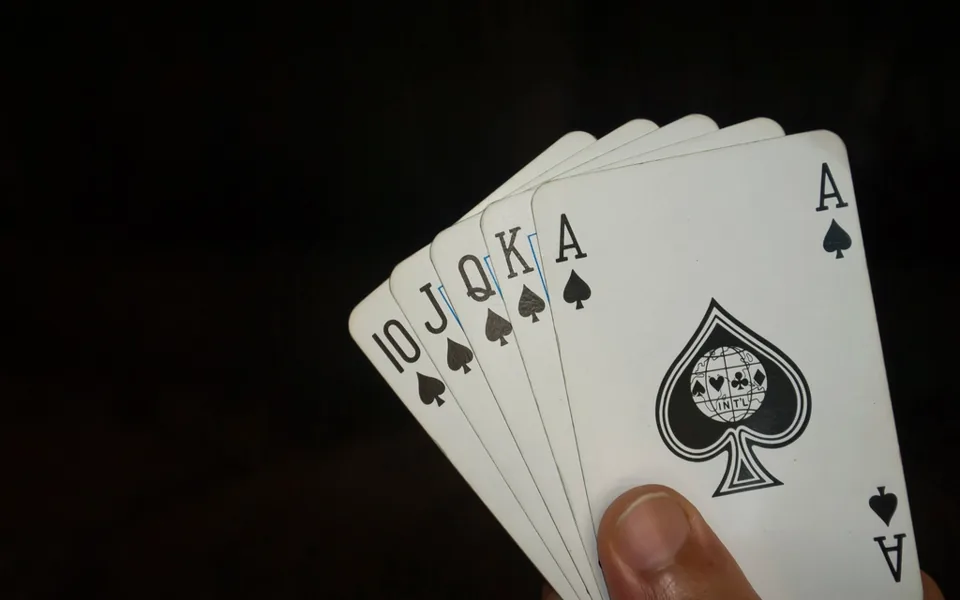
The Isabella Hotel has occupied its corner of Sherbourne Street since 1914, and the building belonged to a period when Toronto's downtown hotels were among the main places where people gathered to play cards, share meals, and entertain after dark. That tradition of the hotel as a social venue — a place for games and conversation rather than just overnight lodging — has a long history in this city, and it connects in a direct line to how Canadians seek out gaming entertainment today.
In the first decades of the twentieth century, Toronto's downtown hotels served a different function from what they do today. Private homes were smaller, domestic staff were expensive, and most middle-class social entertaining happened in public rooms — hotel lounges, dining rooms and private parlours that could be hired for an evening. Card games were a central part of this culture. Bridge, whist, euchre and poker were played in hotel lounges as regularly as in private clubs, and the better hotels maintained dedicated card rooms as a standard amenity.
The King Edward Hotel, opened on King Street East in 1903 and still operating, was the most prestigious example of this period in Toronto. Its public rooms were the setting for much of the city's social life in the first half of the century, and card games were among the regular activities in its private parlours. The Isabella, though smaller and aimed at a different market than the King Edward, was part of the same hotel culture: a building designed for extended stays rather than one-night transit, with rooms intended for guests who needed space to live and entertain rather than simply sleep.
Purpose-built card rooms in hotels were common across North America in the period between roughly 1890 and 1950. Toronto's stricter licensing environment meant that the gambling aspect of card play was more constrained here than in cities with different regulatory traditions, but the social form — a dedicated room, a regular table, players who returned week after week — persisted in hotels and private clubs well into the second half of the century.
The furniture and design of these rooms was distinctive: green baize on the tables, good overhead lighting, comfortable chairs that allowed hours of play without fatigue, and enough acoustic separation from the rest of the hotel that conversation at the table stayed at the table. The design requirements of a card room and those of a contemporary casino table are not as different as they might appear: both are built around the premise of controlled light, a stable playing surface and the social dynamics of seated play.
The connection between the historic hotel card room and the modern live casino is not merely aesthetic. Live dealer games — blackjack, roulette and baccarat streamed from purpose-built studios to players on computers and phones — replicate the central elements of the hotel card room experience: a physical table, a human dealer, the pace and rhythm of an actual game rather than an animated simulation. The technology is entirely different, but the underlying appeal is similar: the game is real, the dealing is visible, and the social dimension of watching a human shuffle and deal is present in a way that a random number generator cannot reproduce.
The Responsible Gambling Council offers practical tools for anyone who wants to set limits on their play — time limits, deposit limits, and self-exclusion options are all available and worth understanding before starting. Players must be of legal age to participate: 19 in most of Canada, 18 in Alberta, Manitoba and Quebec.
The Isabella Hotel's construction in 1914 coincided with a period of substantial change in Toronto's built environment. The city was growing rapidly, the streetcar network was expanding, and the stretch of Sherbourne Street between Bloor and Wellesley was still primarily residential and fashionable. Hotels in this part of the city catered to long-stay guests: professionals working in the city on extended assignments, visitors from other parts of the province spending weeks rather than days in Toronto, and residents who preferred hotel living to managing a household.
The social life of these guests centred on the hotel's common rooms. Evening entertainment meant dinner in the dining room followed by cards or conversation in the lounge, a pattern that was consistent across hotels of this type and era. The surviving accounts of Toronto hotel culture from this period, held in the Toronto Public Library's historical newspaper archives, give a picture of hotel lounges as busy, animated places on weekday evenings — far from the transient, anonymous spaces that the word hotel tends to suggest today.
Buildings like the Isabella occupy an unusual position in a city's history. They are old enough to have witnessed several generations of social change, durable enough to have survived urban renewal and economic pressure, and familiar enough to seem unremarkable until you think about what has happened in their rooms over more than a century. The card games played in hotel lounges of the 1910s and 1920s were part of a social infrastructure that has largely disappeared from the physical world but persists, in changed form, in the ways people seek out games and entertainment today. The setting has moved from a green baize table in a hotel lounge to a screen showing a live dealer in a purpose-built studio — but the impulse behind it, the preference for a visible hand over an invisible algorithm, connects the two more directly than the technology would suggest.
lso build deposit caps and time-out tools into the player account. They are worth switching on at the start.When the Isabella's tower went up in 1914, Sherbourne was one of the established residential streets of the city, lined with the large houses of the previous generation and served by a streetcar. Hotels in this part of town suited people who stayed for weeks: professionals on long assignments, visitors with business downtown, residents who preferred a hotel to the work of running a household.
Their evenings followed a pattern that would have been familiar in any hotel of the type. Dinner, then the lounge, then cards or conversation until the room thinned out.
The building is still there, which is more than can be said for most of its contemporaries. The card table has gone from the lounge to a studio that may be on another continent, and the baize now sits under a camera. What people come for has changed less than the technology suggests. They want to see a hand they can trust turn over the next card.